

In avionics, architecture often determines how a system performs long after installation day. Many legacy flight decks deliver impressive capability, but they also tend to lock pilots and aircraft owners into fixed configurations that can be costly and disruptive to change.
Nighthawk’s Guardian system takes a profoundly different approach. Built around a fully modular architecture, Guardian is designed to give pilots greater flexibility, not just in how their cockpit looks today, but in how it evolves over time.
Rethinking the Structure of the Flight Deck
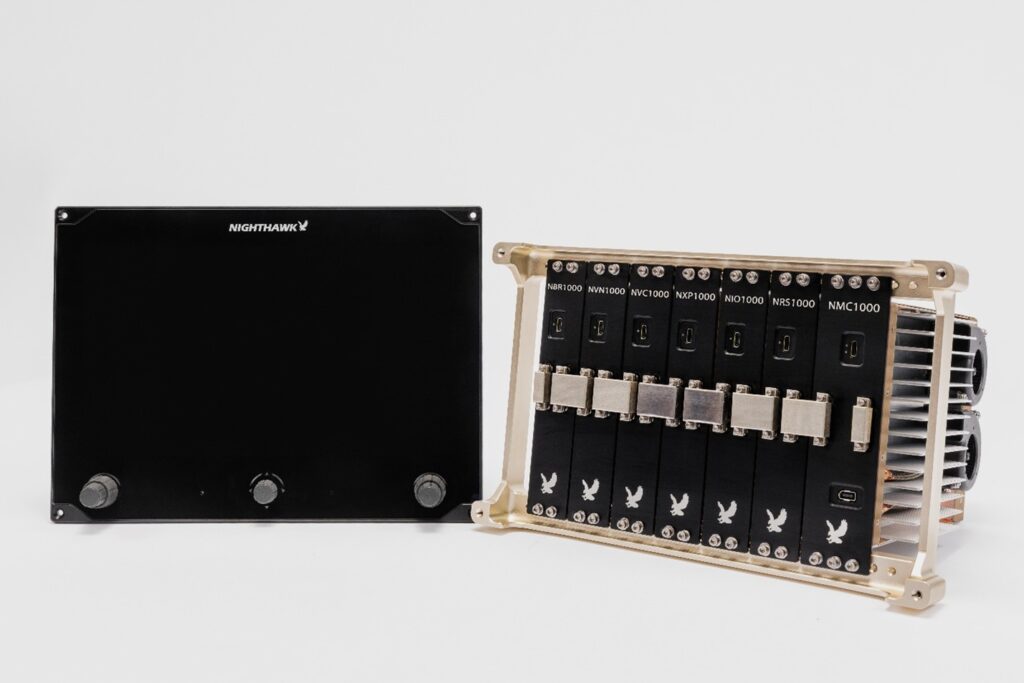
At the center of Guardian is the NEST, a core computing hub that enables separation processing power from the displays and other cockpit components.
Rather than embedding functions across multiple units, the Guardian avionics system consolidates them upon installation, allowing connected components to function as a fully integrated part of a coordinated whole.
This design shifts the role of the display from “self-contained unit” to “interface,” enabling a more flexible configuration overall. For pilots, that means the cockpit is no longer defined by fixed hardware limitations. Instead, it becomes a platform that can be adapted as operational needs change.
A More Practical Approach to Upgrades
One of the most tangible benefits of this modular design is how it changes the upgrade equation.
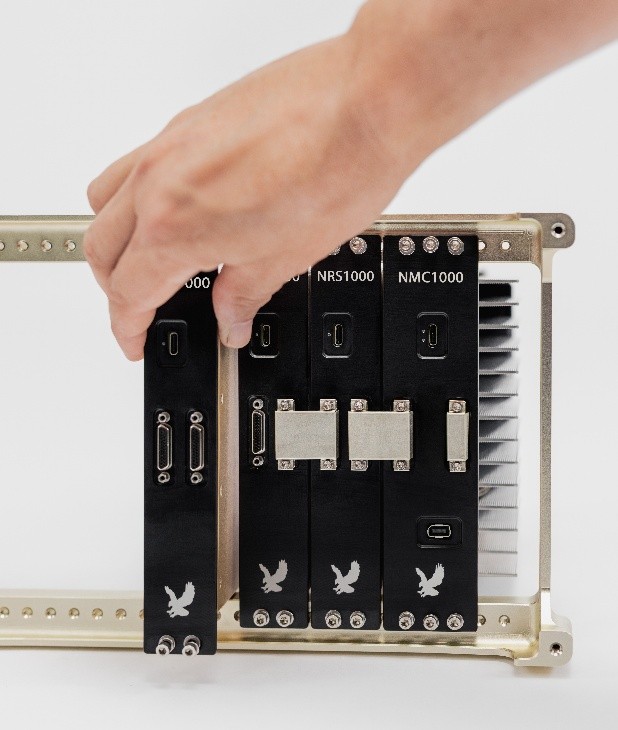
In traditional avionics systems, even modest improvements can trigger extensive (and expensive) panel work. Guardian, in contrast, allows updates to be made incrementally. Individual components or capabilities can be added without requiring a full system replacement, thanks to the centralized architecture of the NEST. All systems upgrades can be accomplished without losing your original investment. If you need more functionality that is all you pay for.
The result is a more manageable upgrade path. Costs can be spread over time, downtime is reduced, and pilots can adopt new technology as it becomes available rather than waiting for a major overhaul.
Installation with Less Disruption
Installation is another area where Guardian’s modular philosophy proves its value.
Because the system is built around a centralized hub and streamlined connections, it reduces the complexity typically associated with avionics retrofits. The NEST can be installed in a variety of locations within the aircraft, providing flexibility for installers and minimizing the need for extensive panel modifications.
For operators, this translates into shorter installation timelines and less time with the aircraft out of service, an advantage that becomes even more meaningful when considering future upgrades or system expansions.
Integration Without Starting Over
Guardian’s architecture is also designed to work alongside existing avionics rather than replace them outright.
Its integration-friendly design allows it to interface with legacy systems and third-party equipment, including widely used GPS navigators. This makes it possible to modernize the cockpit in stages, preserving functional equipment while introducing new capabilities where they add the most value.
For many aircraft owners, this approach offers a more efficient path forward; one that balances innovation with practicality.
A More Cohesive Flow of Information
Beyond hardware considerations, Guardian’s modular design also influences how information is managed in the cockpit.
By routing data through the NEST and distributing it across connected displays, the system maintains a consistent and synchronized view of flight information. Displays can be configured for different roles: primary flight, navigation, or engine monitoring, while still drawing from the same underlying data set.
This unified approach helps reduce fragmentation and improves situational awareness, allowing pilots to focus on flying rather than interpreting disparate sources of information.
An Avionics System Built to Evolve
A key advantage of modular avionics is longevity, and Guardian is designed with that in mind.
Its software-driven foundation and flexible hardware architecture allow it to accommodate new capabilities as they emerge. Rather than becoming obsolete, the system is intended to evolve, integrating new features and technologies without requiring a complete replacement.
In a field where innovation is constant, that ability to adapt is increasingly important.
The Pilot Advantage
Ultimately, Guardian’s modular architecture delivers benefits that extend well beyond engineering. It provides pilots with greater control over how their cockpit is configured and maintained, reduces the disruption associated with upgrades, and supports a more cohesive flow of information in flight.
Just as importantly, it offers a level of future readiness that traditional systems often struggle to match.
To learn more about how Guardian’s modular architecture can support your next upgrade, contact Nighthawk Flight Systems and explore the system in greater detail.